
In today’s fast-paced, ever-evolving project management landscape, staying adaptable and flexible is key to success. This is where hybrid project management comes into play, a method that blends the best of traditional and modern project management approaches to meet the complex needs of today’s businesses. If you’re looking to optimize your project management strategy, especially with a Gantt chart-based platform, this guide is for you.
Hybrid Project Management
Hybrid Methodology or Hybrid project management combines elements of traditional methodologies like Waterfall with the flexible and adaptable agile techniques. It allows project managers to adapt their strategy to the project’s needs, choosing the right methodology for each phase.
It allows teams to tailor their processes based on project needs, utilizing the strengths of both approaches. This ensures a balance between detailed planning and iterative development. It’s ideal for complex projects requiring both predictability and flexibility.

“Project management is about breaking down a vision into actionable steps and managing them to completion.” — Brett Harned
Why is Hybrid Methodology a Trend
There’s a reason why hybrid project management is gaining so much traction in the industry. The main driver is the increased complexity of projects and the diverse nature of project teams.
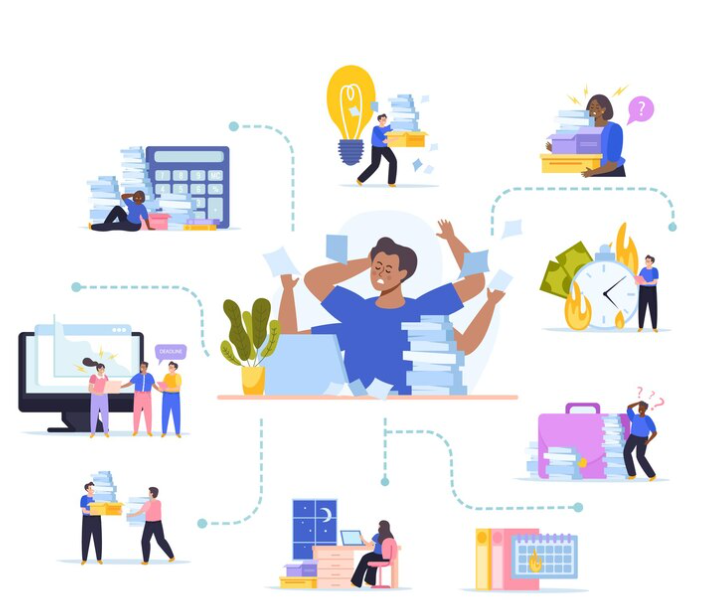
Adaptability: Teams are often composed of members working across various time zones and using different tools. A hybrid approach enables you to tailor project management techniques to the needs of these diverse teams, ensuring better coordination and communication.
Scalability: Whether you’re running a large-scale, long-term initiative or a quick-turnaround project, hybrid methods can scale accordingly. You can start with Agile sprints for rapid development and gradually shift to a Waterfall-style approach when deliverables become more defined.
Risk Management: By blending methodologies, you are equipped with better tools to mitigate risk. Agile allows for continuous feedback and iteration, while traditional methods offer a more stable, phased approach.
Customization : Businesses today face unique challenges and require tailor-made solutions rather than a one-size-fits-all approach. Hybrid methodology allows project managers to adapt their strategies based on specific project needs, client preferences, and team dynamics, offering a flexible yet structured way to achieve better outcomes.
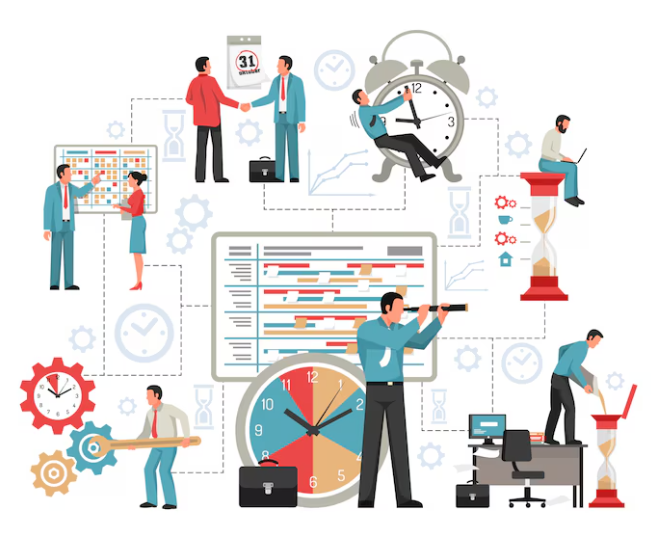
“Project management is the art of creating the illusion that any outcome is the result of a series of predetermined, deliberate acts.” — Harold Kerzner
How and When to Implement Hybrid Project Management
The hybrid approach is particularly effective when you have a mix of predictable and unpredictable elements in a project. Here’s when it shines:
- Projects with Multiple Teams: Different teams might be more comfortable with different approaches. Developers may prefer Agile sprints, while stakeholders might demand the structured planning of Waterfall. Hybrid ensures both can coexist.
- Long-term Projects with Changing Requirements: In projects that evolve over time, especially where requirements aren’t locked down at the start, hybrid lets you start with a flexible approach and shift into a more structured phase once details become clear.
- Product Development: For product-focused projects, using Agile for early prototyping and Waterfall for final release phases ensures smooth progress while keeping stakeholders aligned.

Steps to Implement Hybrid Project Management
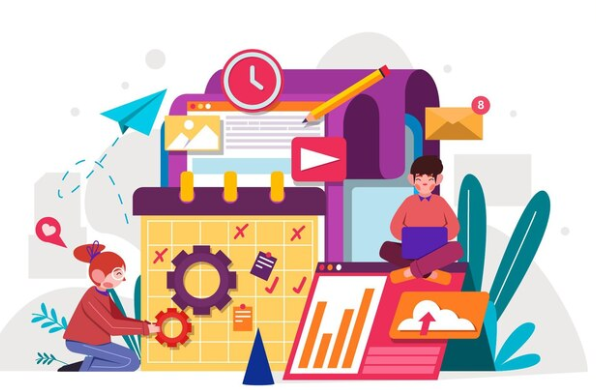
- Assess Your Project Needs: Start by evaluating the project’s size, scope, and nature. Projects with evolving requirements or where rapid feedback is needed are prime candidates for hybrid methods.
- Identify Methodology for Each Phase: Break down your project into phases. Use Waterfall for well-defined phases like planning or product release. Agile works well during execution or development phases where rapid iterations are needed.
- Set Clear Milestones: Hybrid methods benefit greatly from clear milestones. Use a Gantt chart to map out phases, deadlines, and key deliverables, and integrate Agile sprints for the execution part of each milestone.
- Create Communication Channels: With a hybrid approach, different teams may follow different methods, so communication is key. Ensure that your teams have tools and channels to stay aligned, regardless of which methodology they’re using.

- Use the Right Tools: Choose a Gantt chart-based project management app to visualize the overall plan while allowing for agile elements like task boards, sprints, and quick iterations. This will provide a bird’s-eye view and the flexibility needed for daily changes.
- Monitor and Adjust: The beauty of hybrid project management is its flexibility. Continuously review your project’s progress, get feedback from stakeholders, and be ready to adjust your methodology mix as needed.
In the rapidly changing world of project management, the hybrid approach offers the best of both worlds, allowing for flexibility, adaptability, and structure. By leveraging a Gantt chart-based platform to manage timelines, dependencies, and milestones while integrating Agile methodologies during execution phases, you set your team up for long-term success.
Hybrid project management is more than a trend; it’s a strategic approach to delivering successful projects in today’s multifaceted business environment. Ready to take your project management game to the next level? Start integrating hybrid techniques today and watch your project management success soar!
The journey to excellence begins with the right tools in hand.