

The advent of digital transformation has dramatically reshaped industries worldwide, with IT and software development standing at the forefront. Project management has undergone a seismic shift in the era of digital transformation, particularly in the IT and software sectors. As technology rapidly evolves, so do the methodologies, tools, and approaches to managing complex projects.
From the era of static Gantt charts to today’s dynamic, AI-driven platforms, project management in IT and software has become a blend of art, science, and technology. Project management, the backbone of delivering structured and predictable outcomes, has evolved significantly to meet the challenges and opportunities presented by this digital era. From the traditional waterfall methodologies to agile, hybrid, and AI-driven project management, the journey has been transformative.
The Shift from Linear to Agile
Historically, project management relied heavily on the waterfall model: a linear, sequential approach where each phase—requirements, design, implementation, testing, and maintenance—was completed before moving to the next. While effective for predictable projects, this methodology struggled with the dynamic nature of software development, where requirements often evolve mid-project.
The IT industry embraced Agile methodologies to address these challenges. Agile emphasizes:
- Iterative Development: Delivering work in smaller, manageable increments.
- Customer Collaboration: Continuous feedback loops to align with client needs.
- Flexibility: Adapting to changes even late in the development process.
The transition to Agile was a game-changer, fostering collaboration, speed, and customer satisfaction.
Agile Evolution paved path for the major 3 factors needed for a project management :
The Role of Hybrid
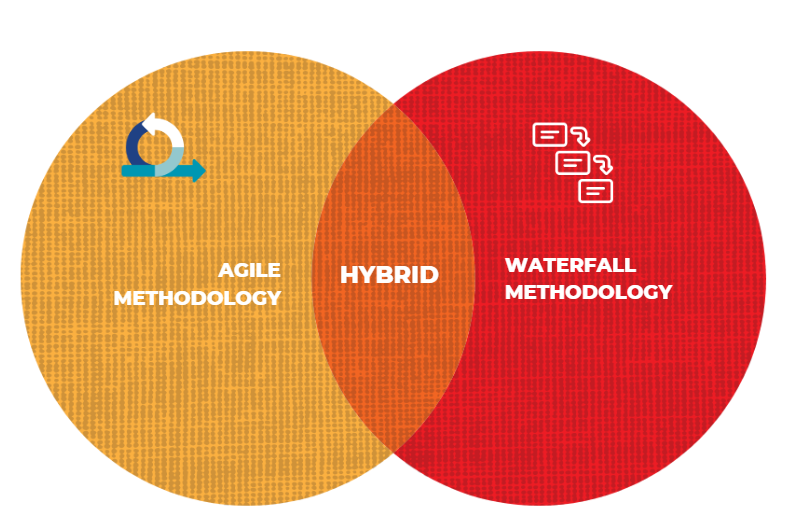
While Agile gained prominence, not all projects fit its mold. Large-scale enterprise projects often require the predictability of traditional methods combined with Agile’s flexibility, giving rise to hybrid approaches. These methods balance structured planning with iterative execution, ensuring stakeholder confidence without sacrificing adaptability.
Technology-Driven Evolution
As digital transformation accelerates, technology has become the cornerstone of modern project management. From streamlining processes to enhancing team collaboration, advanced tools and innovations are reshaping how projects are planned, executed, and delivered. Here’s a look at the key technological shifts driving this evolution.
1. Automation and AI in Project Management
Automation tools have streamlined repetitive tasks like resource allocation, scheduling, and reporting. Artificial Intelligence (AI) now predicts project risks, resource needs, and delivery timelines with uncanny accuracy. Tools like Jira, Trello, and Asana have revolutionized how teams plan, track, and collaborate.


2. Remote and Distributed Teams
With digital transformation, remote work has become a norm, demanding advanced tools and practices. Cloud-based platforms ensure seamless collaboration across geographies, while video conferencing and instant messaging bridge communication gaps.
3. Data-Driven Decision Making
Data analytics tools provide actionable insights into team performance, bottlenecks, and project health. Metrics like velocity, burn-down rates, and earned value management (EVM) enable managers to make informed decisions.

Challenges in the Digital Age
1. Managing Complexity
Modern IT projects are more complex, involving multiple technologies, integrations, and stakeholders. Project managers must master stakeholder management and conflict resolution.
2. Cybersecurity Risks
With increased reliance on digital tools, cybersecurity has become a critical component of project management. Ensuring data security while maintaining agility is a tightrope walk.
3. Cultural Shifts
The move towards agility and remote work requires cultural changes within organizations. Resistance to change is a common hurdle, requiring strong leadership and training.
Key Takeaways for Modern Project Managers
In an era defined by rapid technological advancements and shifting workplace dynamics, project managers must continually adapt to stay ahead. Modern challenges require a blend of strategic thinking, technical proficiency, and a people-first approach. Here are some essential takeaways to help project managers thrive in the age of digital transformation.

- Be Agile, Literally and Figuratively: Agility isn’t just a methodology; it’s a mindset. Be ready to adapt.
- Leverage Technology: Embrace tools and AI to stay ahead, but remember that tools are enablers, not solutions.
- Focus on People: At its core, project management is about people. Invest in your teams, foster collaboration, and lead with empathy.
- Stay Informed: Continuous learning is critical. Stay updated with trends like DevOps, AI, and blockchain, which impact project management practices.
Future Trends in Project Management for IT and Software
- AI and Machine Learning Integration: Expect more tools to provide predictive analytics, intelligent automation, and personalized insights.
- Blockchain for Project Transparency: Blockchain can ensure immutable project logs, enhancing trust and accountability.
- Hyperautomation: Combining AI, machine learning, and RPA (Robotic Process Automation) to handle repetitive project tasks.

The digital transformation era has brought unprecedented opportunities and challenges to project management in the IT and software sectors. The evolution from rigid methodologies to flexible, tech-enabled practices underscores the industry’s resilience and adaptability. By leveraging modern tools, fostering collaboration, and focusing on outcomes, project managers can navigate the challenges of the digital age and deliver transformative results.
As we navigate the future, project management will continue to evolve, driven by technological advancements and the ever-changing needs of businesses. For those in the IT and software sectors, staying ahead means embracing change and turning challenges into opportunities.