

As a seasoned project manager software industry, I’ve witnessed firsthand the paradigm shift towards remote project management. The COVID-19 pandemic has accelerated this trend, and it’s clear that distributed teams are here to stay. In this blog post, I’ll share expert insights, tips, and tools to help you navigate the challenges and opportunities of remote project management.
Benefits
So, why are companies still running with remote project management even after the pandemic is over? What would be the positive sides they noticed and acknowledged?
- Increased flexibility: Team members can work from anywhere, at any time.
- Broader talent pool: Hire the best talent globally, rather than being limited by geographical location.
- Cost savings: Reduced office space and utility costs.
- Improved work-life balance: Enhanced employee satisfaction and reduced turnover.
- Enhanced scalability: Easily accommodate growing teams or fluctuating project demands.
- 24/7 work capability: Enable team members to work at their most productive hours, regardless of time zone.

Challenges
Despite its worthy benefits, remote project management presents a unique set of complexities that can hinder team productivity, collaboration, and ultimately, project success. From technological hurdles to interpersonal communication breakdowns, navigating these challenges requires intentional strategies and proactive leadership.”

- Communication breakdowns: Lack of face-to-face interaction can lead to misunderstandings.
- Collaboration obstacles: Difficulty in replicating spontaneous office interactions.
- Time zone differences: Coordinating across multiple time zones.
- Technical issues: Reliability of internet connectivity and tool accessibility.
- Lack of visibility and control: Difficulty in monitoring team members’ progress and productivity.
- Security and data protection risks: Increased vulnerability to cyber threats and data breaches.
Strategies of Success
The challenges require intentional strategies and proactive leadership to ensure successful remote project management. So, what strategies are required to overcome these and more challenges?
Establish Clear Communication Channels
- Video conferencing: Use tools like Zoom, Google Meet, or Skype for regular team meetings.
- Collaboration software: Utilize platforms like Slack, Microsoft Teams, or Asana for real-time communication.
- Clear documentation: Maintain detailed project records and share updates regularly.


Set Clear Goals and Expectations
- Define project objectives: Ensure everyone understands the project scope and deliverables.
- Establish key performance indicators (KPIs): Track progress and measure success.
- Establish key performance indicators (KPIs): Track progress and measure success.
Foster Collaboration and Teamwork
- Virtual team-building activities: Organize online social events to promote bonding.
- Cross-functional teams: Encourage collaboration across different departments.
- Recognize and reward contributions: Acknowledge team members’ achievements publicly.

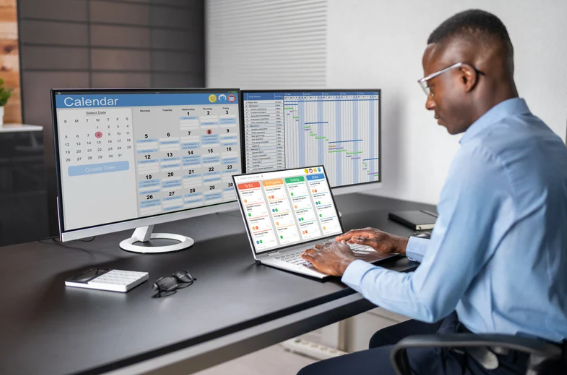
Leverage Technology
- Project management tools: Utilize tools like Jira, Trello, or Basecamp to track progress.
- Time tracking software: Use tools like Harvest or Toggl to monitor work hours.
- File sharing and storage: Use cloud-based services like Google Drive or Dropbox.
Emphasize Time Zone Management
- Scheduling tools: Use tools like World Time Buddy or TimeAndDate to coordinate meetings.
- Rotate meeting times: Accommodate team members across different time zones.
- Asynchronous communication: Encourage team members to respond to messages at their convenience.


Ensure Data Security
- Implement robust security measures: Use encryption, two-factor authentication, and secure file sharing.
- Regular backups: Ensure data is safely stored and easily recoverable.
- Compliance with regulations: Adhere to data protection laws and industry standards.
Explore Zace tool for effective remote project management