The Best of Both Worlds
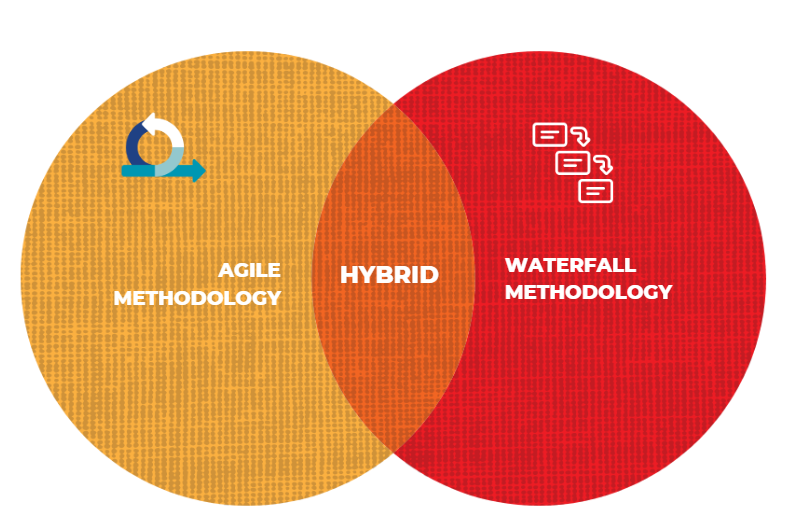
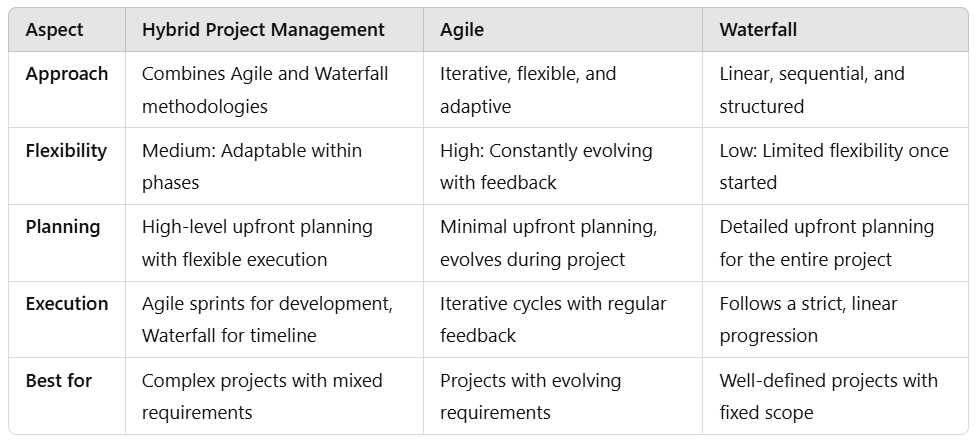
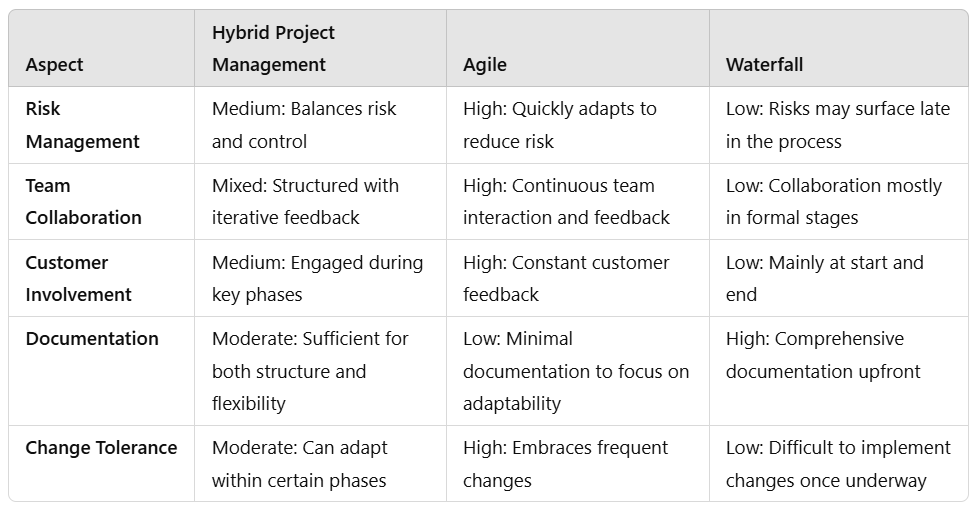
In the ongoing debate between agile and waterfall methodologies, many organizations are discovering that they don't have to choose sides. The hybrid agile waterfall approach combines waterfall's structured planning and documentation with agile's flexibility and iterative development.
Research shows that 68% of organizations now use hybrid approaches, recognizing that pure methodologies rarely fit real-world project needs. This guide will help you understand, implement, and optimize a hybrid approach that delivers the benefits of both methodologies while minimizing their drawbacks.
Understanding Both Methodologies
To create an effective hybrid approach, you must first understand the strengths and limitations of each methodology:
Waterfall Strengths
- • Clear project phases and milestones
- • Comprehensive documentation
- • Predictable timeline and budget
- • Easy to measure progress
- • Well-suited for regulated industries
- • Stakeholder alignment through detailed planning
Agile Strengths
- • Flexibility to adapt to change
- • Continuous customer feedback
- • Faster time to market
- • Higher team engagement
- • Early detection of issues
- • Better alignment with customer needs
Waterfall Limitations
- • Inflexible to requirement changes
- • Late feedback from stakeholders
- • Risk of building the wrong product
- • Long delivery cycles
Agile Limitations
- • Less predictable timelines
- • Requires experienced teams
- • Can be difficult to scale
- • Limited documentation
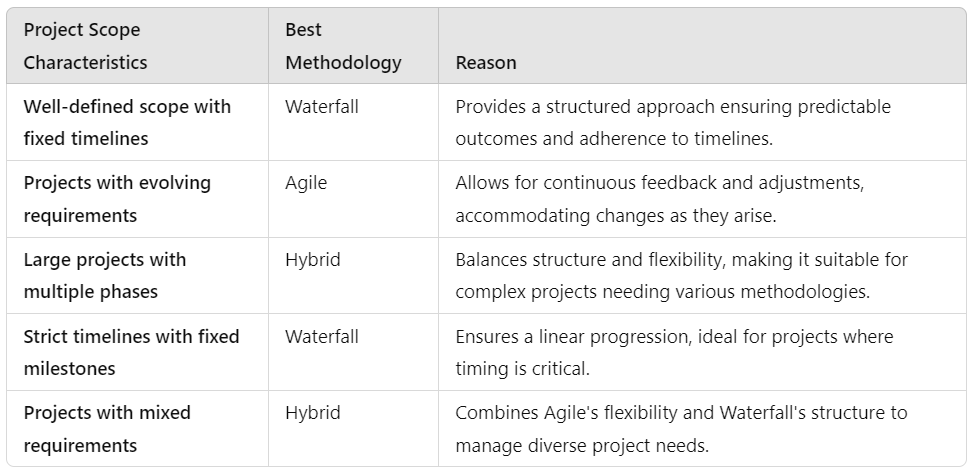
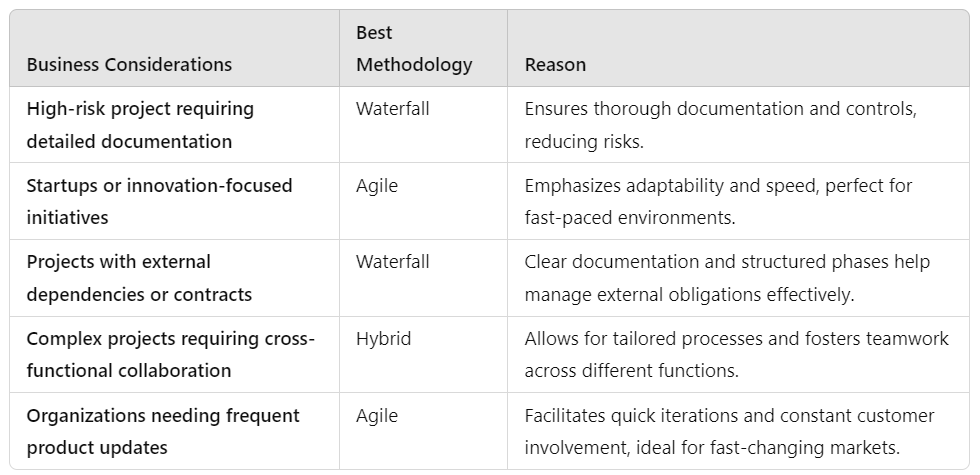
When Hybrid Approach Works Best
Hybrid methodologies excel in specific project scenarios:
Large, Complex Projects
Projects with multiple phases or components where some parts benefit from structured planning while others need agile flexibility.
Example: Enterprise software development with clear infrastructure requirements (waterfall) and flexible user interface development (agile).
Regulated Industries
Industries requiring extensive documentation and compliance (healthcare, finance) but needing flexibility in certain development phases.
Example: Medical device development with waterfall compliance documentation and agile software development cycles.
Organizations in Transition
Companies moving from traditional to agile methodologies can use hybrid approaches as a stepping stone for gradual transformation.
Example: Manufacturing company implementing agile for new product development while maintaining waterfall for existing processes.
Popular Hybrid Models
Several proven hybrid models combine agile and waterfall elements:
Water-Scrum-Fall
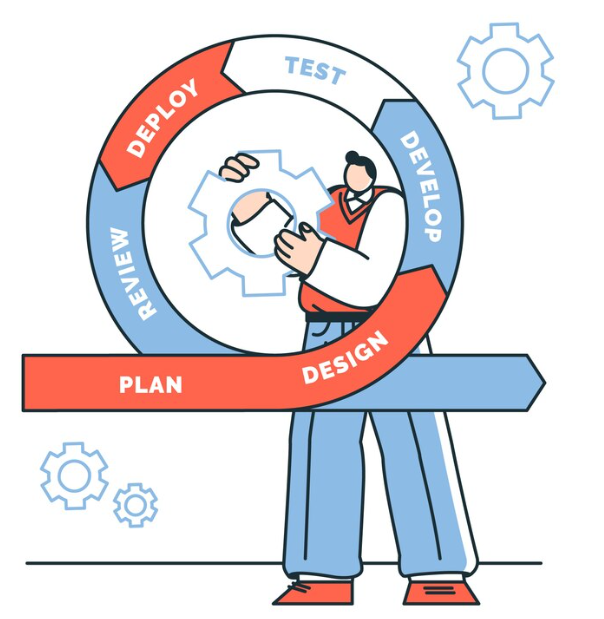
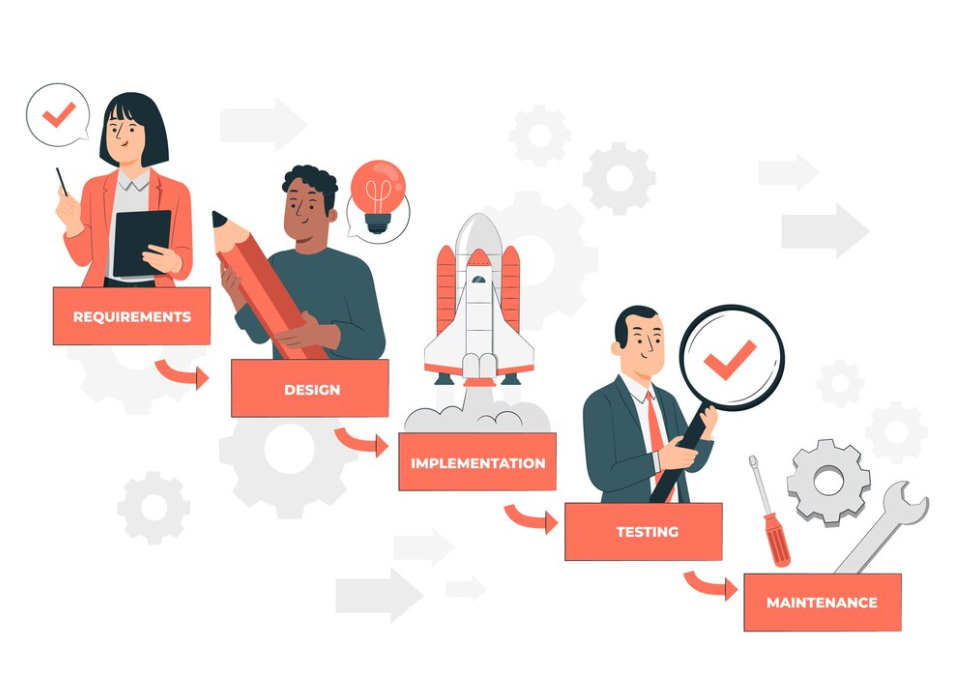
The most common hybrid approach uses waterfall for requirements and planning, scrum for development, and waterfall for testing and deployment.
Requirements & Planning
Development
Testing & Deployment
Agile-Waterfall Blend
Uses agile principles within each waterfall phase, allowing iteration and feedback while maintaining overall project structure.
Best For: Projects requiring phase gates but benefiting from iterative development within each phase.
Phase-Based Hybrid
Different project phases use different methodologies based on their specific needs and requirements.
Example: Discovery phase (agile), Design phase (waterfall), Development phase (agile), Deployment phase (waterfall).
Implementation Steps
Follow this systematic approach to implement hybrid methodology:
Assess Project Requirements
Analyze project complexity, stakeholder needs, regulatory requirements, and team capabilities to determine the optimal hybrid approach.
Define Hybrid Framework
Create a clear framework defining which phases use which methodology, transition points, and governance structures.
Establish Governance
Define roles, responsibilities, decision-making processes, and metrics for both waterfall and agile components.
Train Your Team
Provide comprehensive training on both methodologies and the specific hybrid approach being implemented.
Pilot and Refine
Start with a pilot project to test the hybrid approach, gather feedback, and refine the framework before broader implementation.
Essential Tools for Hybrid Projects
Hybrid methodologies require tools that support both structured planning and agile development:
Project Management Platforms
Tools like Zace App provide Gantt charts for waterfall planning and agile boards for iterative development, supporting both methodologies seamlessly.
Documentation Systems
Comprehensive documentation tools for waterfall requirements and agile user stories with version control and traceability.
Reporting Dashboards
Unified reporting that combines waterfall milestone tracking with agile sprint metrics for complete project visibility.
Integration Platforms
Tools that integrate planning, development, testing, and deployment systems to ensure smooth transitions between methodologies.
Best Practices for Success
Follow these proven practices for successful hybrid implementation:
Common Challenges and Solutions
Be prepared to address these hybrid methodology challenges:
Cultural Resistance
Team members may prefer one methodology over another, creating resistance to the hybrid approach.
Solution: Involve teams in framework design, demonstrate benefits, provide training, and start with pilot projects to build confidence.
Integration Complexity
Difficulty integrating waterfall and agile processes, tools, and metrics.
Solution: Use integrated project management tools, define clear interfaces, and establish unified reporting frameworks.
Governance Confhallenges
Managing different governance requirements for waterfall and agile components.
Solution: Create a unified governance framework that addresses both methodologies while maintaining necessary controls.
Measuring Hybrid Success
Use a balanced set of metrics to evaluate hybrid project performance:
Waterfall Metrics
- • Schedule adherence
- • Budget variance
- • Scope creep
- • Milestone completion
- • Documentation quality
Agile Metrics
- • Sprint velocity
- • Burndown charts
- • Cycle time
- • Team satisfaction
- • Customer feedback
Hybrid Metrics
- • Overall project ROI
- • Stakeholder satisfaction
- • Quality metrics
- • Time to market
- • Team productivity
Conclusion
Hybrid agile waterfall methodologies offer the flexibility to adapt to diverse project requirements while maintaining the structure needed for successful delivery. By combining the strengths of both approaches, organizations can achieve better outcomes, higher stakeholder satisfaction, and improved team performance.
Success requires thoughtful planning, clear governance, appropriate tools, and continuous improvement. The key is finding the right balance for your specific project needs and organizational context. Remember that hybrid approaches should evolve based on experience and changing requirements.
Implement Hybrid Methodology with Zace
Zace App supports hybrid methodologies with flexible Gantt charts for waterfall planning and agile boards for iterative development. Start your free trial and discover how our platform can help you implement the perfect hybrid approach.
Start Free Trial